Spray Foam Insulation Cost Guide for Odessa, TX Homes (2026)

If you've priced spray foam contractors in Odessa and gotten quotes that vary more than you expected, that's normal — spray foam pricing genuinely depends on more variables than fiberglass batts or blown-in insulation. Which area of the home you're treating, whether the job calls for open-cell or closed-cell foam, how much existing insulation has to be removed first, and how much square footage you're covering all move the final number.
This guide breaks down real-world cost ranges by area of the home, explains why open-cell and closed-cell price out differently, and walks through the math homeowners actually care about: how spray foam stacks up against what you're currently paying to run AC through an Odessa summer. Every number here is a typical range, not a quote — your home's framing, access, and existing insulation condition all move the final price, which is why we push toward a free on-site assessment before committing to a number.
Typical cost per square foot
Across the industry, spray foam insulation typically runs $1 to $5 per square foot installed, averaging around $3 per square foot. Open-cell foam sits toward the lower end of that range — and it's the foam most commonly installed across West Texas, since it does the job needed at a lower cost. Denser, higher-R-value closed-cell foam sits toward the higher end, reserved for roof decks and garages where the added performance is worth paying for. Most professional installers also carry a minimum job charge, commonly in the $1,500-$2,000 range, which matters if you're pricing a small, contained project like garage-ceiling-only coverage.
Cost by area of the home
- Attic (attic-floor application): typically the most cost-effective way to cover the largest heat-gain surface in the house.
- Attic (roof-deck / conditioned attic): higher cost than attic-floor since it covers more surface area, but protects any HVAC ductwork running through the attic.
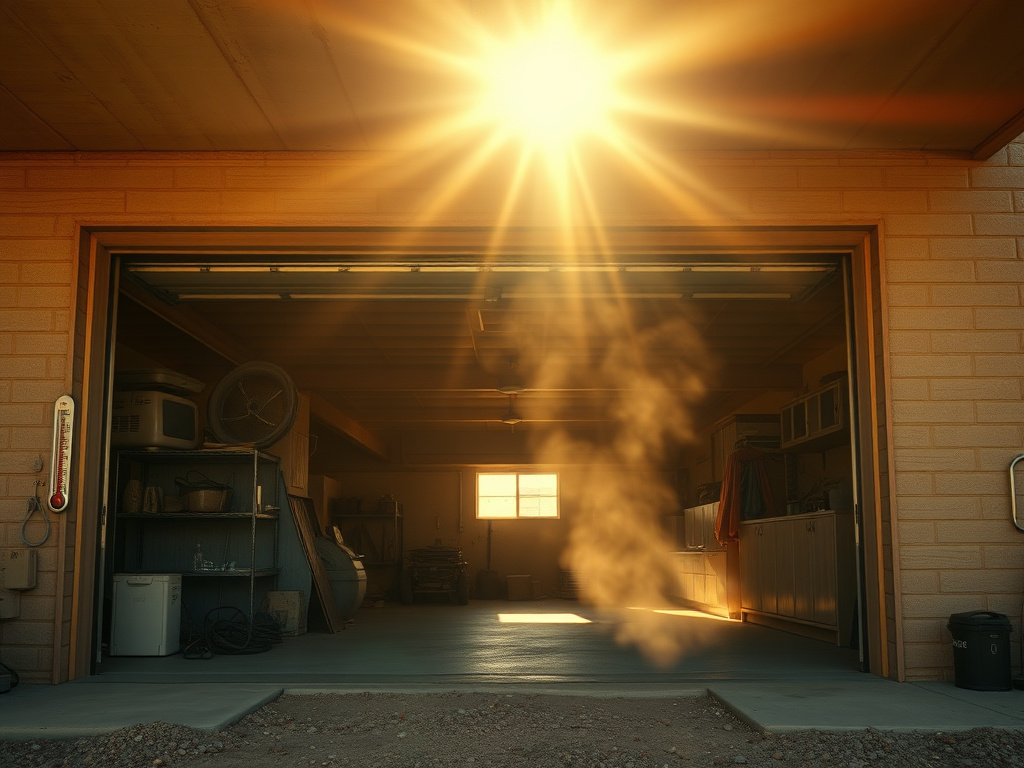
- Garage ceiling and walls: often one of the smaller, more contained projects — and one of the highest-impact for homes with a bedroom or above-garage bonus room affected.
- Interior walls: priced per board foot of wall cavity; open-cell is typically the more budget-friendly choice here.
- Whole-home new construction: the most cost-effective way to insulate on a per-square-foot basis, since framing is open and access isn't a factor.
Why open-cell and closed-cell price out differently
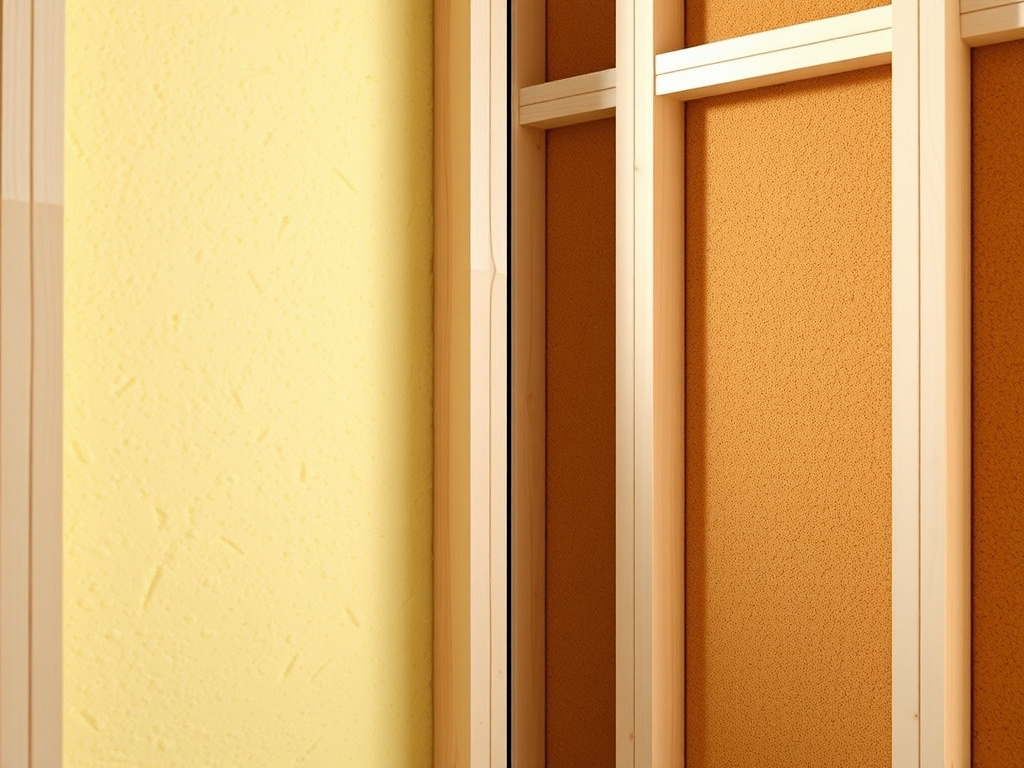
Closed-cell foam uses a denser chemical formulation, delivers roughly R-6 to R-7 per inch versus open-cell's R-3.5 to R-4, and typically requires more application skill — all of which shows up in a higher per-board-foot price. That premium is worth paying for roof decks with limited depth, garages facing extreme heat exposure, or anywhere moisture and wind-driven dust control matters. For standard interior walls and vented attic floors, open-cell usually delivers comparable real-world performance for less money, which is why it's the default choice for most Permian Basin projects.
The cooling-bill math
Air conditioning typically makes up the largest single share of an Odessa home's summer electric bill, and an under-insulated, poorly air-sealed attic is one of the most common reasons AC units run longer than they should — Odessa averages roughly 2,672 cooling degree days a year, with plenty of afternoons pushing well past the typical 94-96°F summer high. Industry estimates suggest a properly executed spray foam retrofit can reduce cooling costs by roughly 30-50% for a home starting from thin or gap-riddled insulation, with payback commonly cited in the 3-6 year range depending on your home's starting condition and local electricity rates. These are industry-typical ranges, not a guarantee — the bigger your home's current air-leakage problem, the bigger the realistic savings opportunity.
Frequently asked questions
Garage ceiling insulation is often the most contained, budget-friendly project with a clear payoff — especially if you have a bedroom or above-garage bonus room that runs noticeably hotter than the rest of the house. Attic-floor coverage with open-cell foam is typically the next most cost-effective option for whole-home impact.
Financing availability varies by contractor and project size. Ask about options during your free on-site assessment — for larger whole-home or new-construction projects, financing can make a meaningful upgrade more manageable upfront.
Ready for a free quote?
Tell us about your home and we'll build a clear, no-pressure quote.